
Inlays & Onlays
An inlay or onlay is typically used when a cavity is too large for a simple filling.
What are Dental Inlays and Onlays?
Most likely, you are aware of the use of crowns and fillings to treat dental decay and cavities. Some of the possibilities, though, you might not be familiar with.
Fillings are typically used to mask tiny cavities, while crowns are employed when the decay is more advanced or if a larger fracture needs to be concealed. To prevent tooth decay, there may be instances in which a filling is insufficient and a crown is excessive. If they require something “just perfect” to fill in such gaps, many dental experts will then turn to dental inlays and onlays. They are more substantial than fillings, but less noticeable than a crown, which may require significant tooth reshaping.
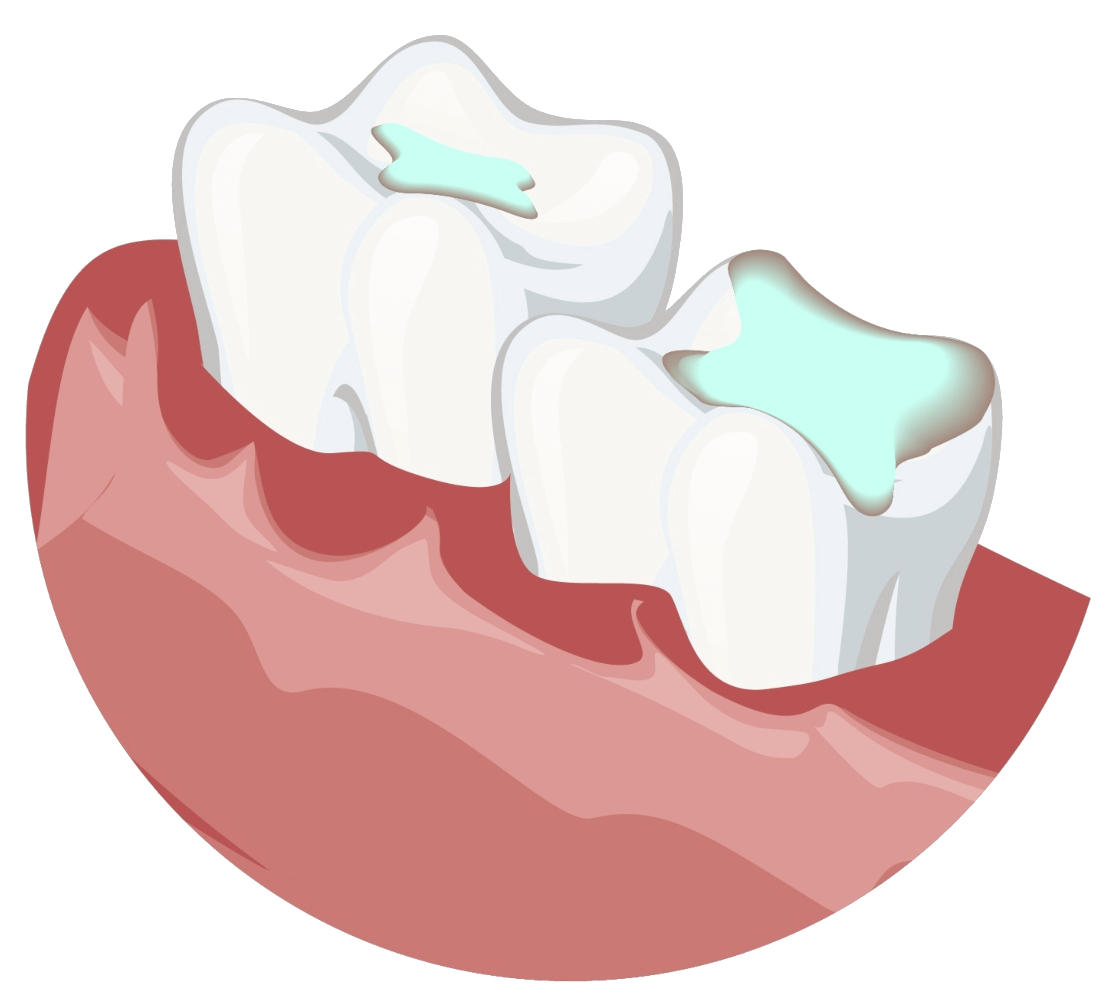
But what is the difference between the two?
An inlay, by definition, is a dental restoration that fills voids and hollows between a tooth’s cusps. An onlay can work for a greater region, including the cusps, rather than only filling in voids in those spaces. They perform similarly to crowns but do not completely encase the tooth’s surface. Although they are both constructed from the same components and perform the same task, they cover distinct tooth surfaces in order to offer the best protection against tooth decay.

Doncaster: 1/696 Doncaster rd, Doncaster 3108;
(03) 9077 1252
Opening Hours
Monday-Thursday 9:00am-5:30pm
Friday 8:30am-3:30pm
Saturday Closed
Sunday Closed
info@britedentclinics.com.au